
Northwestern Mutual Primary Products
Northwestern Mutual Financial Planning Products
This is where better conversations can lead to better outcomes. Your advisor's holistic approach to financial planning reveals the opportunities and blind spots that often go overlooked.
- Your plan combines every aspect of your financial life
- Your financial solutions are tailored to your goals
- Your advisor drives your plan toward superior outcomes and stability as life changes
Northwestern Mutual Insurance Products
You've built too much to let the unexpected knock you off course. You know what matters most. Your financial advisor knows how to protect it with insurance designed for your needs and goals.
- Life insurance
- Disability insurance
- Long-term care
Northwestern Mutual Investment Products
Get matched with a financial advisor who meets you right where you are and helps grow your money though better conversations. Let's pick only the best opportunities for you.
- Investment advisory services
- Brokerage accounts and services
- Exclusive market commentary

Our financial advisors are here to guide you.
Our advisors can show you the right financial steps to take you closer to the life you've always wanted. Here's what you can expect when you work with one:
- A judgment-free, pressure-free environment
- Jargon-free conversations
- Help seeing your financial blind spots and ways to account for them
- Answers to the questions you have, and the ones you never knew you had
What you get with Northwestern Mutual:

A financial expert to partner with
Someone who understands what's most important to you today and later on. Who thinks of all the what-ifs so you don't have to, guiding you as your life and goals change.
A financial plan tailored to your life
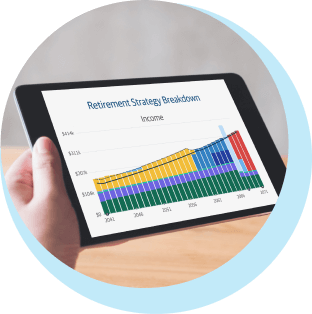
You'll get a personalized plan, at no cost to you, that balances your current, and future, priorities. It puts all of the pieces of your financial life in one place, so you can make the best financial choices today and every day after.

Top-rated financial services and life insurance
We're a Top 10 Independent Investment Broker-Dealer1 and NerdWallet ranked us as the Best Life Insurance Company for Customer Experience.2 So you get a wide range of financial options, like investments and insurance, designed for your goals.
Get our monthly Life & Money newsletter filled with financial tips, tools, and more.
The top-rated financial partner you can count on:
A++ financial strength rating
AAA, Aaa, and AA+—we've earned the highest financial strength ratings awarded to life insurers from all four major rating agencies.3
Top 5 ranked investment service
We're one of the top U.S. Independent Investment Broker-Dealers.1
$7.3B in dividends expected to be paid in 2024
in dividends expected to be paid in 20244
No. 1 ranked insurance company for consumer experience
Best life insurance company for consumer experience, 20232
